Is DIY Window Tinting Worth It for Your Truck or Tesla in Olive Branch?
A DIY tint kit looks like an easy weekend win until the film bubbles, the trim scratches, or the defroster line stops working. Here’s what actually separates a low-cost kit from a professional install in Olive Branch’s heat and glare.
The $40 Kit Isn’t the Whole Cost
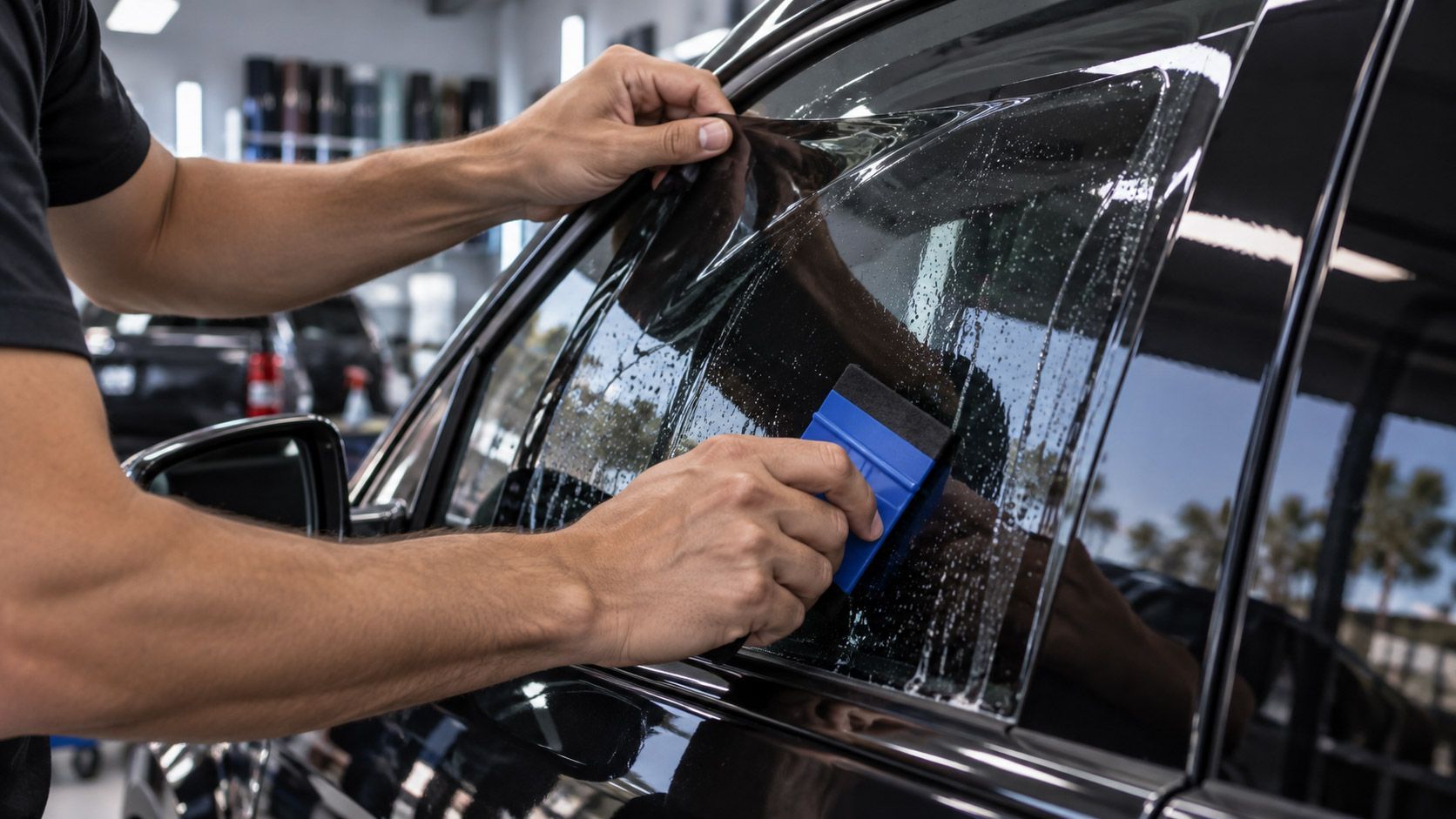
A $40 roll of window film feels like a reasonable weekend project until the first bubble shows up along the rear glass three or four days later. That’s usually the moment a DIY tint job reveals its actual cost — not the price of the kit, but the hours spent peeling off failed film and hoping nothing underneath got damaged in the process.
Olive Branch drivers ask about DIY tinting for a straightforward reason: the kits are cheap and the tutorials make it look simple. Whether it’s actually worth it depends less on confidence with a squeegee and more on what’s riding on the outcome — a factory-tinted Tesla with sensitive rear defroster elements, a new truck with curved rear glass, or a work vehicle that needs to look clean for clients.
Why the DIY Math Rarely Holds Up
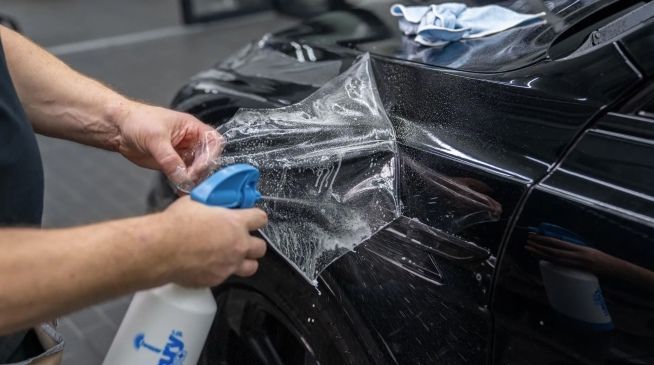
The upfront savings on a tint kit are real. What’s harder to see from the box is the redo risk. Film that isn’t cut, heated, and pressed correctly tends to lift at the edges, cloud over, or shrink away from the glass line within the first few months — sometimes sooner in direct Mississippi sun. When that happens, the film has to be stripped and the job started over, and stripping failed film without the right tools is its own way to scratch tint-adjacent trim or leave adhesive residue behind. At that point, the person who tried to save money on a kit is often paying for a professional removal and reinstall anyway.
What Professional-Grade Film Is Actually Built To Do
Retail tint kits and professional-grade film are not the same product wearing different packaging. Shop-grade film is engineered with UV-blocking and heat-rejecting layers designed to hold their properties for years of direct sun exposure, not just look dark on day one. That distinction matters in this region, where a vehicle can sit in full sun for hours during a Mid-South summer. Film that fades to purple or loses its heat rejection within a year isn’t saving anyone money — it’s just delaying the cost of doing the job again.
The Tools and Training Gap the Kit Box Doesn’t Mention
A heat gun, a proper squeegee, and a sharp blade are only part of what separates a clean install from a frustrating one. Knowing how much heat a specific film can take before it distorts, how to work around a rear defroster grid without cutting a line, and how to trim tight against curved glass without leaving a gap all come from repetition — installing dozens of vehicles, not one. That’s the kind of judgment that doesn’t transfer well from a YouTube tutorial to a first attempt on your own daily driver.
What Goes Wrong on a Tesla or Late-Model Truck Specifically
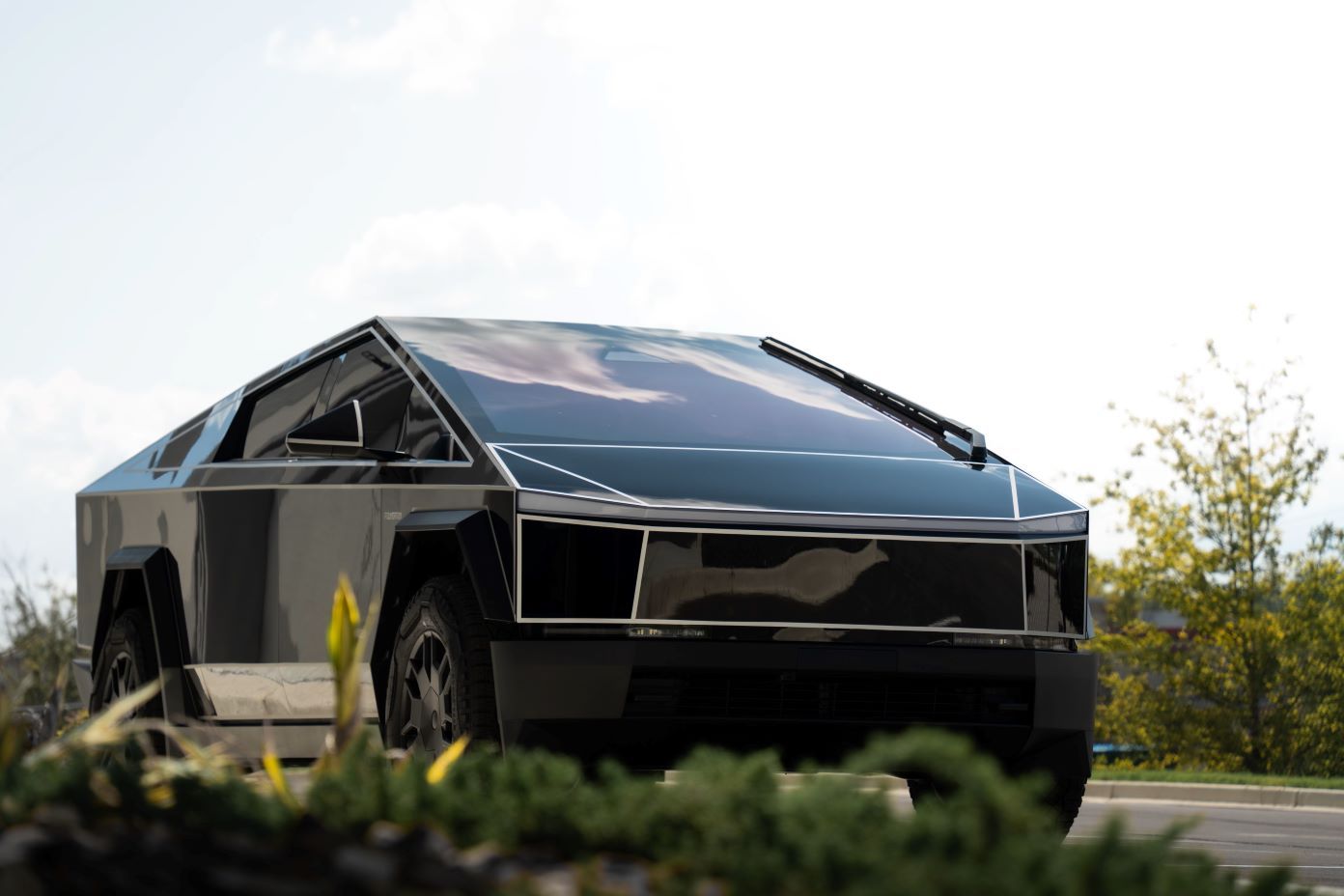
Newer vehicles raise the stakes. A Tesla’s rear glass often includes a defroster and antenna elements that are easy to damage with an incorrectly applied blade cut. Late-model trucks frequently have deeply curved rear windows that are far less forgiving than a flat side window for a first-time installer. This is where the fear of causing damage during a customization project is legitimate — not because professional shops are careless, but because DIY attempts on complex glass carry a real risk of nicking trim, damaging defroster lines, or leaving a job that has to be corrected by someone else anyway.
Warranty Coverage: Knowing vs. Hoping
A DIY kit typically comes with no meaningful warranty beyond a manufacturer’s basic product guarantee on the film roll itself — nothing that covers the labor or the outcome. Eye Kandy Customs backs its tint work with both a nationwide limited manufacturer’s warranty and an in-house warranty, which means the coverage follows the installation, not just the material. That’s a meaningful difference if film ever bubbles, peels, or discolors down the line: one path means starting over at your own expense, the other means a covered fix.
When DIY Might Still Make Sense
There are situations where a DIY kit is a reasonable call — a small, flat piece of glass on a low-stakes vehicle, or a temporary fix before a planned professional upgrade. The honest answer to “is DIY window tinting worth it” depends on what’s being tinted, how visible mistakes will be, and whether the vehicle has electronics or curved glass that raise the difficulty. For a Tesla, a newer truck, or any vehicle someone plans to keep for years, the margin for error is thin enough that a professional install is the more sensible route.
Why Local Drivers Choose a Professional Install
Eye Kandy Customs has operated in Olive Branch for five years and holds an A+ accreditation with the Better Business Bureau since October 2023. Customers consistently point to clear communication and quick turnaround as reasons they return for additional services, and the shop works with established film partners chosen for performance and durability rather than the lowest-cost option on the shelf.
Professional tint should be more than darker glass.
The material, the prep, the patterning, the glass geometry, the install technique, and the warranty all contribute to what you’re actually buying.
Frequently Asked Questions
Does professional tint film perform differently than kit film in Mississippi summers?
Can a DIY tint job affect a Tesla’s rear defroster or sensors?
What happens if a DIY tint job fails after a few months?
Does Eye Kandy Customs’ warranty cover tint installed elsewhere?
Talk Through Your Vehicle Before You Buy the Kit
If you’re weighing a DIY kit against a professional install on a truck, Tesla, or daily driver, a quick conversation with Eye Kandy Customs in Olive Branch can clarify what your specific glass, film options, and warranty coverage actually require.